




Floor 04 · Create
Product photography services. Photos that sell.
Product photography services produce the images people judge a product by before they buy it: clean shots for the store and marketplaces, lifestyle photos for ads and social, and details that answer questions. yop plans, shoots and retouches product and corporate photography, and sizes every image for the place it will be used.
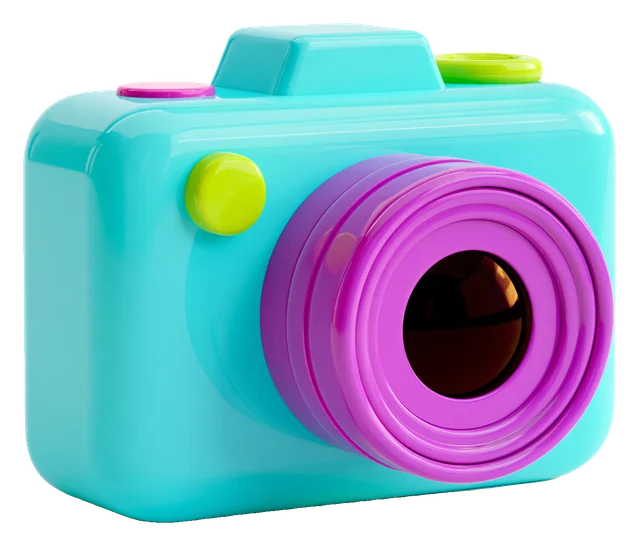
Product photos
What kinds of product photos does a store need?
At least three. Clean shots on a plain background for the store and marketplaces, which have strict rules on background, size and framing. Detail shots that answer the questions buyers would ask in a shop: the texture, the size in a hand, the label, the inside. And lifestyle photos that show the product in use, for the homepage, ads and social.
Corporate photography covers the people and the place: team portraits, founders, the office, the workshop and the work in progress. Buyers want to see who they are dealing with, and search engines and AI assistants read the same pages.
- E-commerce shots. Plain background, consistent light and angles across the catalog.
- Details. Close-ups of materials, labels, features and scale.
- Lifestyle. The product being used, in a scene that suits the brand.
- Corporate. Team, founders, office and production, in one consistent style.
Try it
Move the light, change the product.
The same bottle under four setups. Light decides whether a product looks flat, shaped or glowing, long before any retouching.
- Key lightFlash on camera
- FillNone
- ShadowHard, behind
- Good forA quick check
Flash: everything lit, nothing shaped. Flat for a store.
What we shoot
Six kinds of photography.
Catalog shots
Every product photographed in the same light and angles, ready for the store and marketplaces.
Lifestyle and flat lays
Styled scenes for the homepage, social posts and ads.
Detail and scale
Close-ups and in-hand shots that answer questions before they are asked.
Team and headshots
Founder and team portraits for your site, LinkedIn profiles and press kits.
Workplace and process
The office, the workshop and the work being done, photographed as they really are.
Retouching
Color correction, clean-up and consistent backgrounds, without making the product look like something it isn’t.
Budget
What moves the price of a shoot.
The shot list sets the price of a shoot. Below, the parts that make it larger or smaller.
Number of products
More products mean more setups and more retouching, though similar products in the same light go quickly.
Shot types
Plain catalog shots are fast. Lifestyle scenes, flat lays and in-hand details each need their own set.
Models and locations
People and real places add booking, styling and travel; a studio table keeps it simple.
Styling and props
Food, fabric and fashion need a stylist and props. Boxed goods usually don’t.
Retouching depth
Clean-up and matching color are always in. Composites and heavy reshaping take longer.
Sizes and crops
Extra crops for marketplaces, ads and social come from the same files.
How it runs
Four steps to photos that sell.
Plan
Shot list, moodboard and image sizes for every place the photos will be used.
Prepare
Products prepared and props chosen; people and locations booked for corporate shoots.
Shoot
Products and people photographed, with test shots approved on the day.
Edit and deliver
Retouched, named and sized images delivered for web, marketplaces, social and print.
Common advice
Three photo myths that cost sales.
We often hear
“The supplier’s photos are good enough.”
What we see
Every other store selling the product uses them too. Your own photos give buyers a reason to trust your page, and they can rank on their own in image search.
We often hear
“Retouch it until it looks perfect.”
What we see
If the product in the box doesn’t match the photo, it comes back. We remove dust and match the color, and leave the product honest.
We often hear
“One good photo per product is enough.”
What we see
Buyers can’t pick the product up, so the gallery has to answer their questions: the size, the texture, the inside and the product in use.
Compare
A real shoot or AI-generated images?
| A real product shoot compared with AI-generated product images | Real product shootOur pick | AI-generated product images |
|---|---|---|
| Shows the real product | Yes | Often slightly wrong |
| Marketplace rules | Met | Risky for main images |
| Trust | High | Lower once buyers notice |
| Cost per image | Higher | Lower |
| Good for | Main images, details, people | Backgrounds, mood, quick tests |
Glossary
Photo words, explained.
- CClipping path
- A path traced around the product, so the background can be swapped or dropped.
- CColor checker
- A card of known colors photographed with the product, used to make the file match the real color.
- FFlat lay
- A photo taken straight down at products arranged on a surface, common for fashion, food and kits.
- FFocus stacking
- Several photos focused at different depths and merged, so the whole product is sharp.
- PPackshot
- A clean photo of a product on a plain background, used as the main image in stores and catalogs.
- TTethered shooting
- The camera linked to a computer, so each shot appears on a big screen and can be approved on set.
Delivery
What lands in your shared folder.

Main images
Each product on pure white, sized and framed for your store and the marketplace rules.
Gallery set
Angles, details and scale shots for every product page, in matching light.
Social crops
Lifestyle frames cropped for feeds, stories and ads.
File list
File names, alt text and product codes in one sheet, ready for upload.
Masters
Full-resolution retouched files for print and for crops you need later.
For search
Do product photos help SEO?
Yes. Original photos can rank in Google Images and Google Shopping, while stock or supplier photos used by every other store add nothing. We deliver images compressed for fast loading, with descriptive file names and alt text in the language of each page, so they help both search engines and people using screen readers.
When yop also builds or optimizes your store, the photos go straight into the product pages with the right sizes and schema.
Yes.
Your shoot
Send us the product list, we plan the shoot.
Our reply comes within two working days and covers a shot list and the fixed price of the shoot.
- From
- you@your-company.com
- To

 Anıl or Hatice
- Send
- Our reply comes within two working days and covers a shot list and the fixed price of the shoot.
- Reply
- Within two working days
Questions
Asked about photography.
What do product photography services include?
What do product photography services include?
Planning, styling, shooting and retouching product photos, usually clean catalog shots, details and lifestyle images, delivered in the sizes needed for the store, marketplaces, ads and social.
How much do product photography services cost?
yop prices photography per shoot, as a fixed price agreed after the shot list, based on the number of products, the types of shot and the retouching needed.
How many photos should each product have?
Usually one main image plus three to six more: angles, details, scale and lifestyle. Marketplaces and your own store may need different sets.
Do you also do corporate photography?
Yes. yop photographs teams, founders, offices and production in the same style as the product photos, for the website, LinkedIn and the press.
Should we use AI product photos instead?
AI images work for backgrounds and mood tests, but main product images should be real photos, so buyers see exactly what they get and marketplace rules are met.
Who owns the photos?
Your company. You receive the final images with full usage rights for your website, marketplaces, ads, social media and print.
What does Amazon require for a main product image?
Plain white behind the product, which covers roughly 85 percent of the image, with nothing added: no text, no logos, no props. Images of at least 1,000 pixels on the longest side let shoppers zoom. We shoot and crop main images to those rules.
Films, photos, brand and decks from one creative team.
Commercials, brand films and product videos, shot and edited.
TV and online ads, from script to the last cut-down.
One shoot day, weeks of vertical videos.
Animation that explains what a camera can’t.
Logo, color, type and the rules that hold them together.
Decks that make the case in the first five slides.